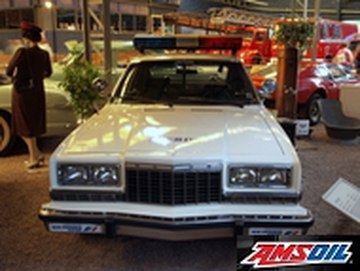
Maintaining Lubrication Standards for the 1981 Dodge DIPLOMAT 5.2L
Proper engine care for a vehicle of this era requires a focus on consistent monitoring and adherence to specific fluid requirements. For owners of a 1981 Dodge DIPLOMAT equipped with the 5.2L engine, maintaining the lubrication system is a fundamental aspect of long-term mechanical health. Because older engines operate under different thermal and mechanical stresses than modern counterparts, a proactive approach to inspection and oil selection is essential.Monitoring Fluid Integrity and Potential Seepage
A primary component of routine maintenance involves regular visual inspections of the engine bay. Rather than waiting for a visible puddle on the driveway, owners should look for signs of seepage around various sealing surfaces. Over time, gaskets and seals can undergo changes in elasticity due to heat cycles and age. When performing an inspection, check for any evidence of fluid weeping or dampness around the engine block and associated components. If you notice a buildup of grime or dark residue in specific areas, it may indicate that a seal is beginning to allow small amounts of oil to escape. Addressing these minor observations early can prevent more significant issues later. Additionally, checking the condition of any visible hoses or electrical connections during these inspections ensures that the overall environment around the engine remains clean and free of contaminants that could interfere with maintenance tasks.Observing Changes in Engine Performance and Appearance
While many lubrication issues are identified through visual inspection, some changes may manifest through how the vehicle operates or what is observed during or after use. It is important to recognize that various symptoms can have multiple underlying causes, so any change should be investigated thoroughly rather than immediately attributed to a single component. For instance, if you notice an unusual odor while the engine is operating at temperature, it could indicate that lubricant is contacting a hot external surface. Similarly, changes in the way the engine sounds or unexpected changes in exhaust appearance warrant closer attention. If the vehicle begins to consume more oil than previously observed, this change in consumption patterns should be documented and investigated. Monitoring these subtle shifts allows for a more informed approach to repairs and helps establish whether current maintenance practices are sufficient for the engine's current condition.Prioritizing Maintenance Based on Current Condition
As vehicles age, the most effective way to manage upkeep is to prioritize tasks based on the actual, observed condition of the machine rather than relying solely on chronological age. For a 1981 Dodge DIPLOMAT, this means moving away from generic schedules and toward a strategy of condition-based maintenance. If you are stepping into ownership of this vehicle without a complete service history, your first priority should be establishing a baseline. This involves performing a comprehensive inspection of all fluids and checking for any active leaks or overdue service items. Once a baseline is established, keep detailed records of every oil change, filter replacement, and mechanical repair. Having a documented history of what has been done—and when—is invaluable for identifying trends, such as increasing oil consumption or the frequency of seal replacements. This data-driven approach allows you to distinguish between necessary preventive maintenance and unnecessary component replacement, ensuring that resources are directed toward the most critical needs of the 5.2L engine.The Role of Lubrication in Engine Longevity
Engine oil performs several vital roles that extend beyond simple lubrication. It acts as a medium for heat management, helping to carry thermal energy away from high-friction areas within the engine. Furthermore, the chemical properties of the oil are designed to manage contaminants and prevent the buildup of deposits that can interfere with mechanical tolerances. Maintaining the cleanliness and chemical integrity of the lubricant is essential for minimizing friction and protecting internal components. When oil becomes heavily contaminated or loses its additive effectiveness, its ability to protect the engine diminishes. This makes regular service intervals a critical part of ownership, as fresh lubricant ensures that the engine continues to operate with the intended level of protection against wear and thermal stress.Managing Aging Components and Materials
For an engine from 1981, certain materials are more susceptible to the effects of time. While it is incorrect to assume that every component is failing, it is practical to recognize that rubber-based items, such as belts (if equipped) or various hoses, may become brittle or lose their flexibility over several decades. During routine service, if you encounter accessible drive belts, inspect them for signs of cracking, glazing, or fraying. Similarly, any visible cooling-system hoses should be checked for softness, swelling, or hard spots. Addressing these aging materials when they show the first signs of deterioration is a key part of preventive maintenance. By focusing on the physical condition of these components during every oil service, you can maintain the overall reliability of the engine's supporting systems.Practical Guidance for BUYING ENGINE OIL for your 1981 Dodge DIPLOMAT 5.2L
When it is time to replenish your engine's lubricant, the most important step is to ensure the product matches the specific requirements of your application. Do not rely on general automotive knowledge or assumptions based on the vehicle's age to select a grade. Instead, match the engine oil to the application-specific viscosity information already displayed on this webpage. Before making a purchase, carefully review the product labeling to confirm it meets the necessary quality standards for your needs. Depending on your specific maintenance goals and the current condition of your 5.2L engine, you may encounter various formulations:- Conventional Oils: Standard mineral-based lubricants.
- Synthetic Blends: A combination of conventional and synthetic oils designed to offer enhanced properties.
- Full Synthetic Oils: Chemically engineered oils that often provide superior thermal stability.
- High-Mileage Formulations: Some high-mileage oil formulations contain additives intended for use in aging engines, including seal-conditioning additives.